There’s a pattern I keep seeing, and I can’t unsee it.
Teams rush to adopt AI. They drop it into their workflows, hand it to their people, and wait for the magic. Then a few weeks later, the frustration sets in. “AI isn’t delivering what we expected.” “The outputs aren’t usable.” “It’s just creating more noise.”
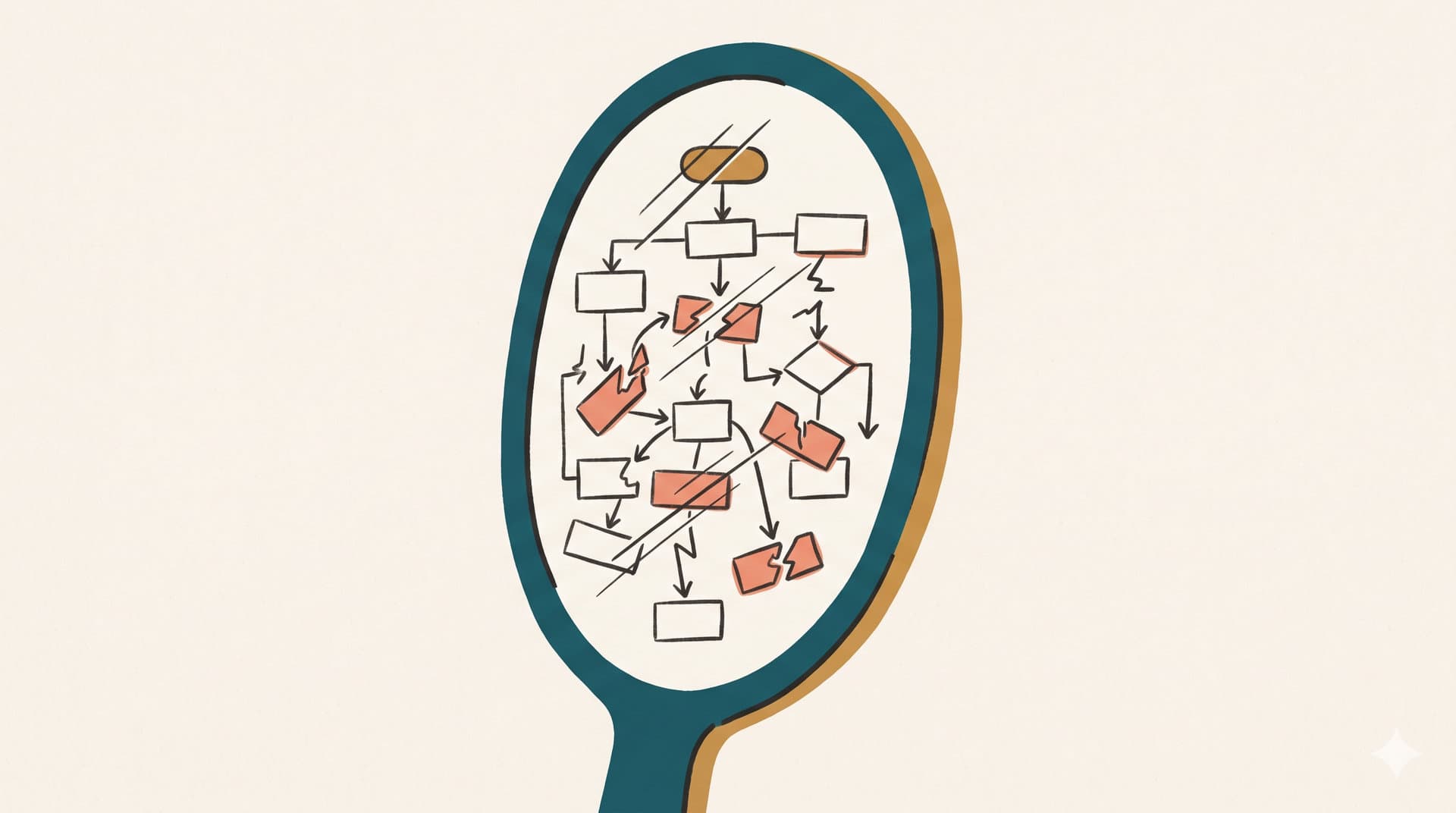
Here’s what I’ve come to believe: AI didn’t fail them. It exposed them.
It revealed the thing nobody wanted to say out loud, and that’s the process was already broken before AI showed up.
AI as a Silver Bullet (Spoiler: It’s Not)
Whether you’re trying to use AI in your daily workflow or building AI-powered products, the temptation is the same: use it to go faster. Skip steps. Compress timelines. Do more with less.
And I get it. The pressure is real. Stakeholders want results yesterday. But what I’m consistently seeing is that teams are trying to use AI to paper over bad processes, poor decisions, and a general lack of standardization. They’re not fixing the foundation. They’re just pouring faster on top of it.
That’s not acceleration. That’s a faster path to the same broken destination.
What AI Actually Does in a Healthy Process
I’ve been going deep on this and not just studying it, but living it across every role I’m in right now. And what I’m finding is that AI’s real power isn’t speed. It’s depth.
Let me use product as an example, because it’s where I spend a lot of my time.
As a Product Director, I care deeply about how my product and design team works. I want us building the right things with the right user experience, and not just shipping faster. That means we don’t skip steps. We still write PRDs. AI helps us write better ones, more thoroughly, more quickly, but we don’t treat a PRD as a checkbox to rush past so we can get to design.
What’s changed is what happens between the PRD and the handoff to dev.
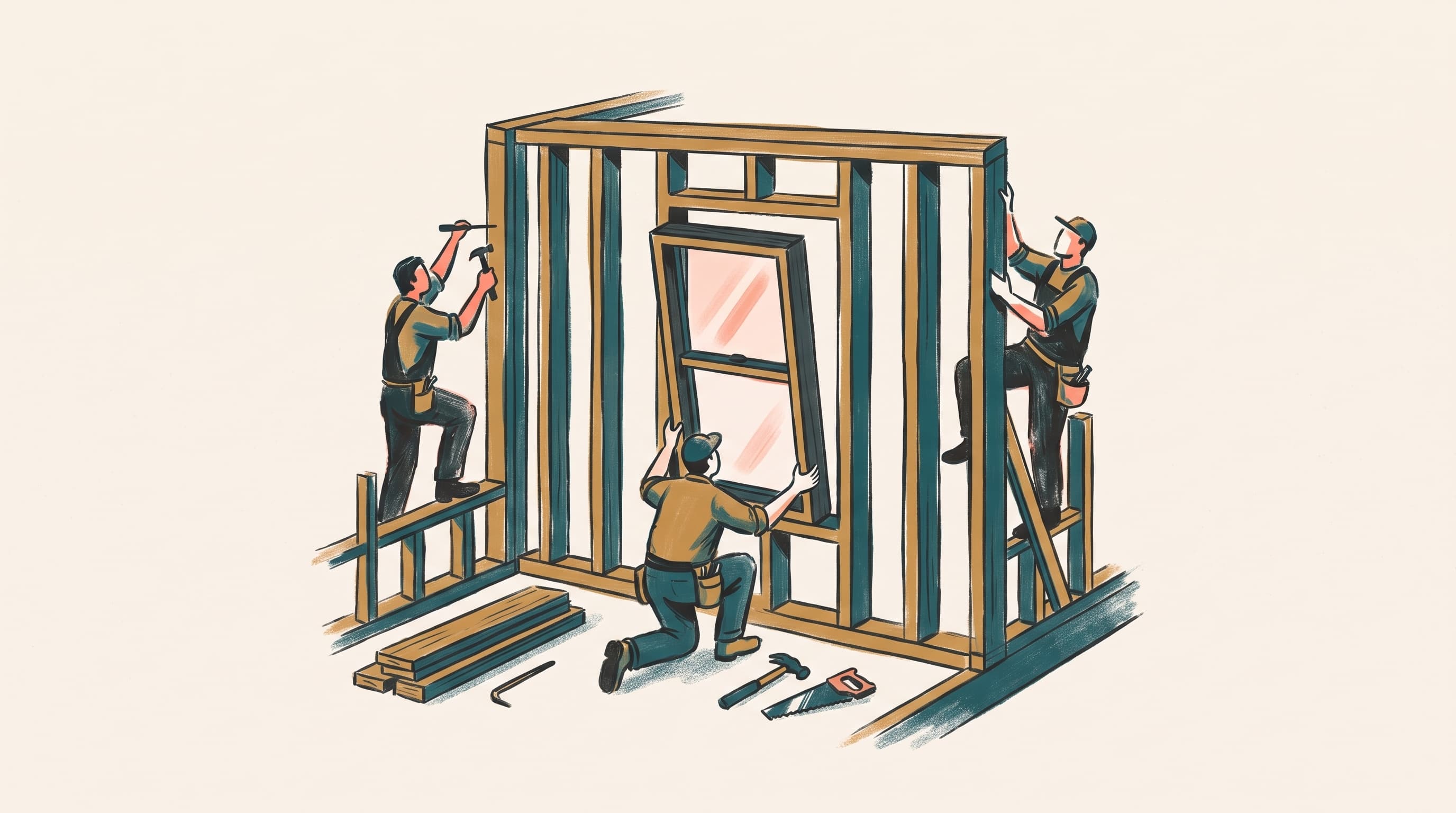
Before, that space was thin. Write the doc, hold a meeting, start designing. Now? That space is rich. We can iterate through more potential solutions than we ever could before. We can use AI tools to generate wireframes, spin up quick POCs, and stress-test our thinking before a single pixel gets finalized for stakeholder review.
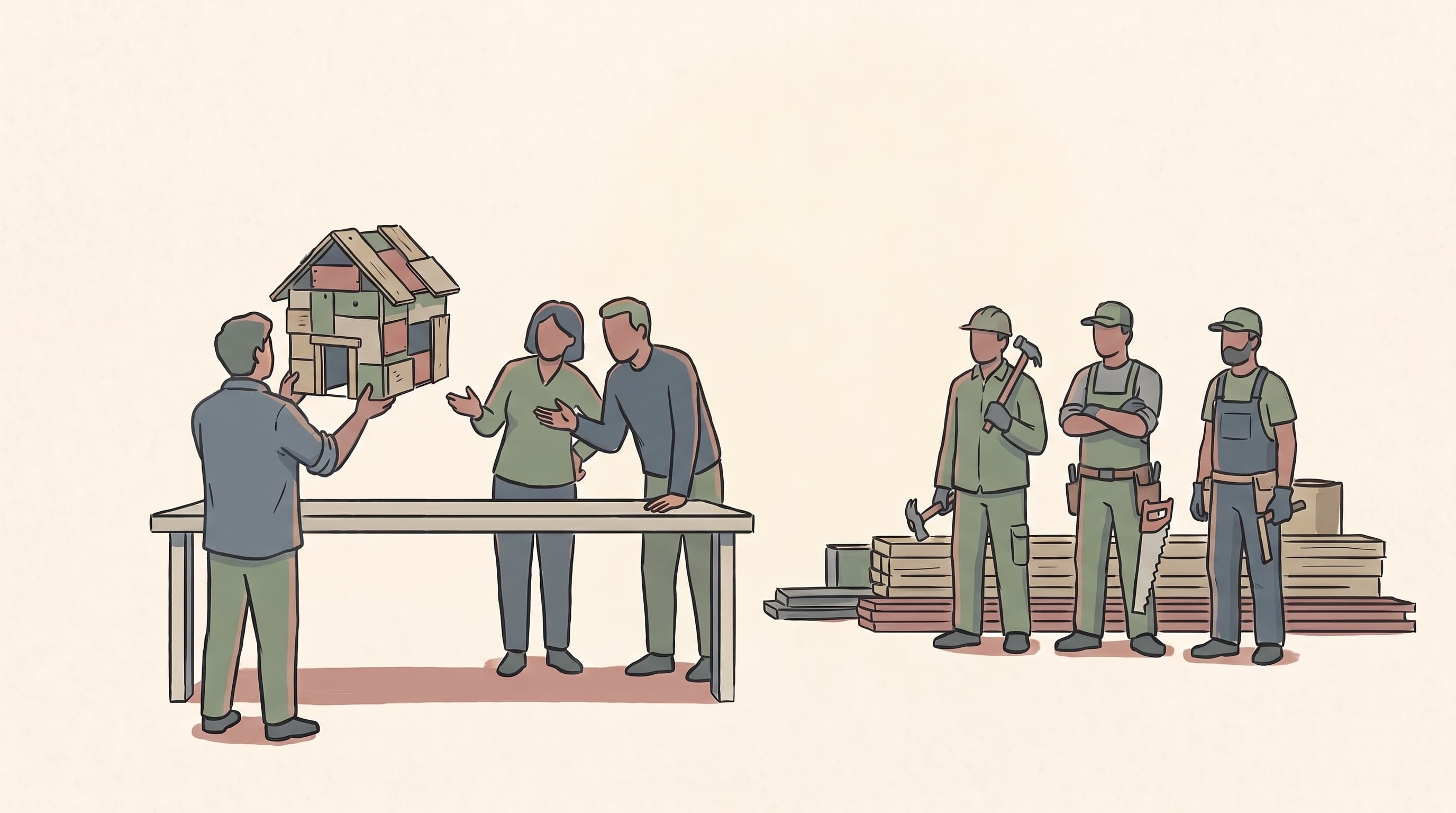
We can tell a better story. We can present a stronger case. We can walk into an alignment meeting with something real, and not just a document and a hope.
That’s not AI making us faster. That’s AI making us better.
Without Process, It’s the Wild West
Here’s the uncomfortable truth: if we didn’t require PRDs, didn’t have defined stages, didn’t hold each other accountable to the process — AI would make things worse. Much worse.
We’d have a flood of half-formed ideas moving fast through the pipeline. Unfinished thoughts landing in production. Features shipping without evidence that they solve a real problem. The velocity would feel good until the outcomes made it very clear that speed without direction is just expensive noise.
Process isn’t bureaucracy. It’s the structure that makes AI’s power useful instead of chaotic.
The Real Diagnostic
So if you’re in a team or organization where AI adoption isn’t delivering, I’d encourage you to ask a harder question before blaming the tool.
Not “Is AI the right tool for this?”
But “Did we actually have a process worth accelerating?”
Because AI is an amplifier. Give it a strong signal, and it makes that signal stronger. Give it noise, and it makes that noise louder.
The teams winning with AI right now aren’t the ones who adopted it fastest. They’re the ones who had the discipline to build something worth automating, and then let AI take it further than they could alone.
The mirror AI holds up isn’t always flattering. But it’s honest.
And if you’re willing to look at it, it might be the best thing that’s happened to your process in years.
I’m Joe — Director of Product by day, founder of G37 Labs always. I write about the gap between vision and execution, and what it actually takes to build things that matter. If this landed, subscribe and share it with a founder or PM who needs to hear it.