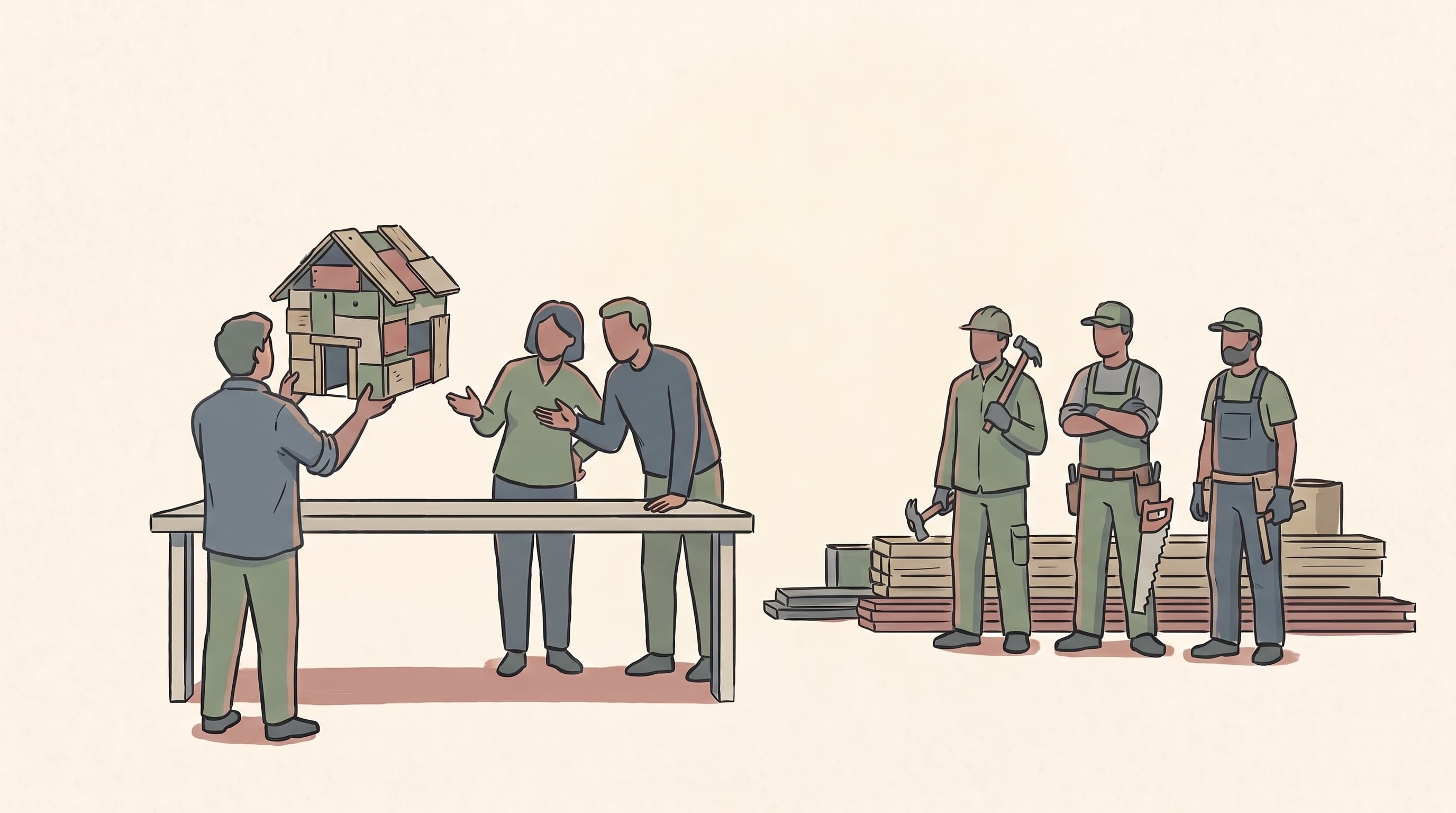
There’s a moment I see with almost every founder I work with.
They’ve got the idea. They’ve got access to AI tools that can generate code, write requirements, produce wireframes in minutes. They’re ready to build. So they start. Then six weeks later, they’re frustrated, overbudget, or staring at something that doesn’t quite match what they had in their head.
The tool wasn’t the problem. The process was.
Here’s what I’ve learned after building across healthcare platforms, consumer apps, and legacy system modernizations: the project type doesn’t matter. The process does. Whether you’re launching something brand new and small, tackling a big complex platform, or dragging an existing product into the modern era, the foundation is the same. And AI only works well when that foundation is in place.
Three Projects. One Process.
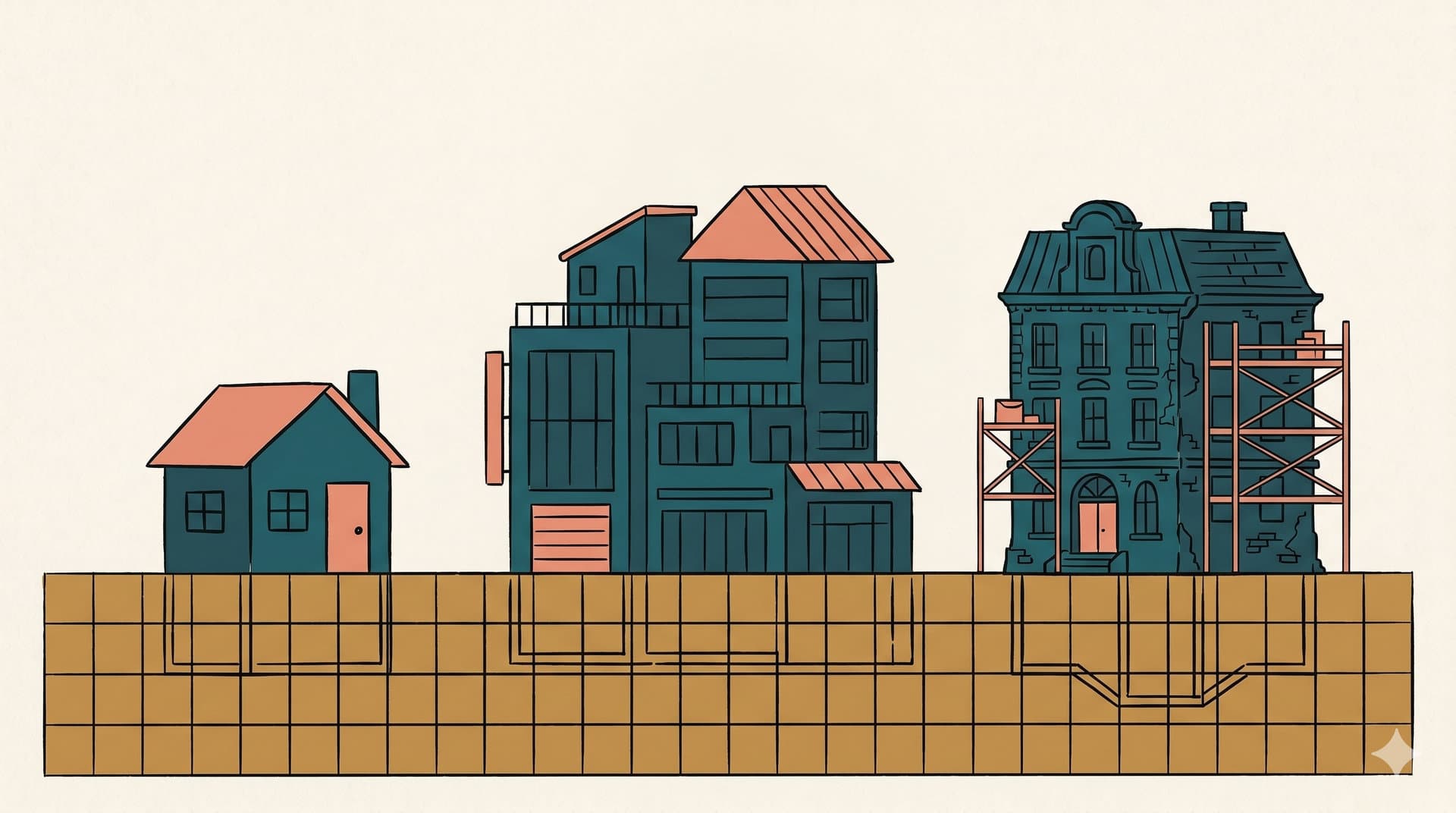
At Genesis 37 Labs, I’ve run engagements across three distinct archetypes recently. Each one looked completely different on the surface. Underneath, they needed the same thing.
The Small New Idea — a micro-app This one feels like it should be simple. It’s small. Just build it, right? But “small” doesn’t mean “clear.” A micro-app with no defined scope still has edge cases, user flows, and data decisions that will bite you later. When I start here, the work is the same: frame the problem, define what done looks like, and identify where AI accelerates versus where human judgment has to lead. The output is lean, but intentional.
The Big New Idea — a healthcare app ecosystem A founder came to me with a vision for a unified healthcare platform. Real vision, real complexity — multiple data sources, compliance requirements, a financial command center. The scope was large and the temptation was to start building immediately. We didn’t. We spent structured time in discovery: surfacing the real requirements, sequencing the work, and aligning on what an MVP actually meant in this context. Only then did AI enter the picture to accelerate the PRD, generate wireframe concepts, and help stress-test the architecture. Structure first. AI second. The result was a signed MVP proposal with a clear roadmap, not a pile of half-built features.
The Replatform — modernizing an existing product This is the trickiest archetype. There’s already something live. Users exist. Opinions are strong. In one engagement, a brand directory platform needed to move off its legacy infrastructure and become a scalable SaaS product. The instinct was to just “rebuild it better.” But without going back through discovery and understanding what the current system was actually doing, what users needed versus what they had, and what the new architecture had to support, you’re not modernizing. You’re just recreating the same problems in a newer stack. The process forced the hard conversations before a line of code was written.
Where AI Actually Fits
In all three cases, AI was present. But it was never first.
It came in after the problem was framed. After the requirements had shape. After the team had alignment on what we were building and why. At that point, AI is a genuine multiplier — faster PRDs, better wireframe iteration, quicker POC validation. Before that point, it’s just a very confident way to go in the wrong direction.
The founders who get real results from AI aren’t the ones with the best prompts. They’re the ones who did the structural work first and used AI to move faster once the foundation was solid.
What Phase Are You Actually In?
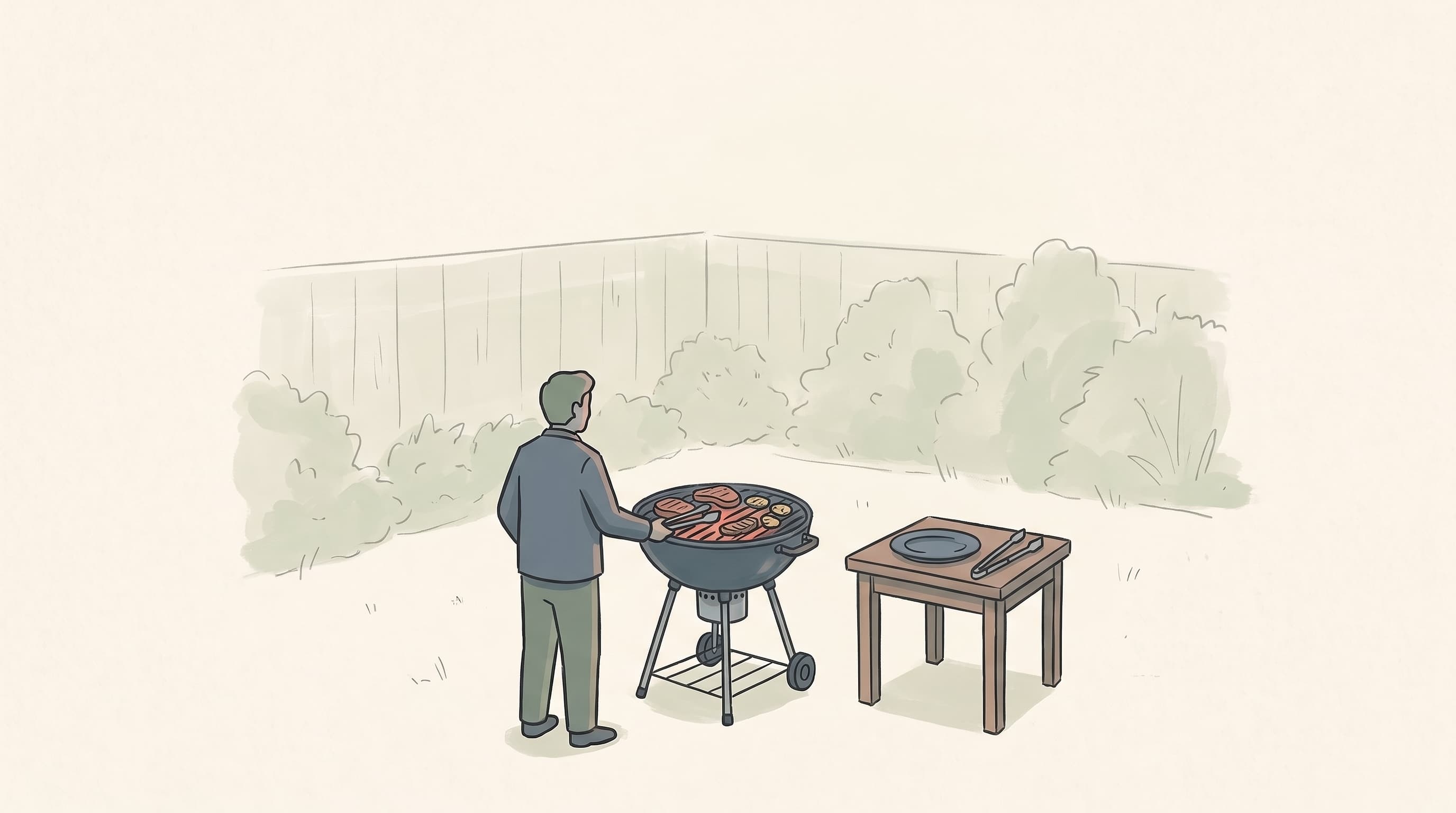
If you’re feeling stuck with AI — like it’s generating things but nothing is landing — it’s worth asking an honest question: have you actually done discovery, or did you skip straight to building?
Most founders skip it. Not because they’re careless, but because discovery feels slow when you’re excited about an idea. It feels like delay. It’s not. It’s the work that makes everything else work.
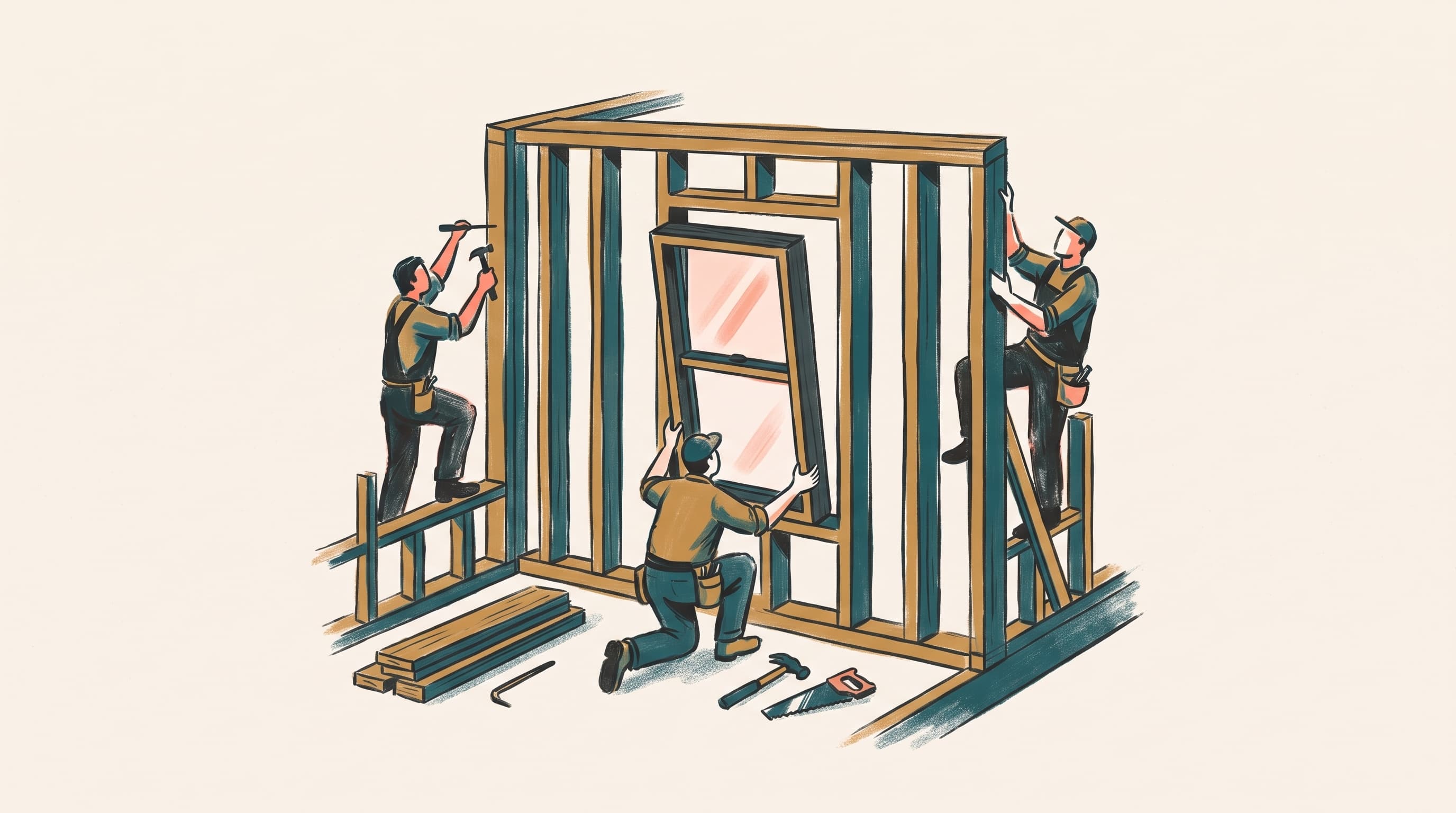
No matter what you’re building — a scrappy micro-app, a complex platform, or a modernized version of something that already exists — the process is the same. Structure is the strategy.
Genesis 37 Labs helps non-technical founders move from idea to Version 1 with a process that works. If you’re wondering what phase your idea is actually in, that’s usually a good sign it’s time to talk.