Most founders don’t realize they’re stuck until they’ve been spinning for a while.
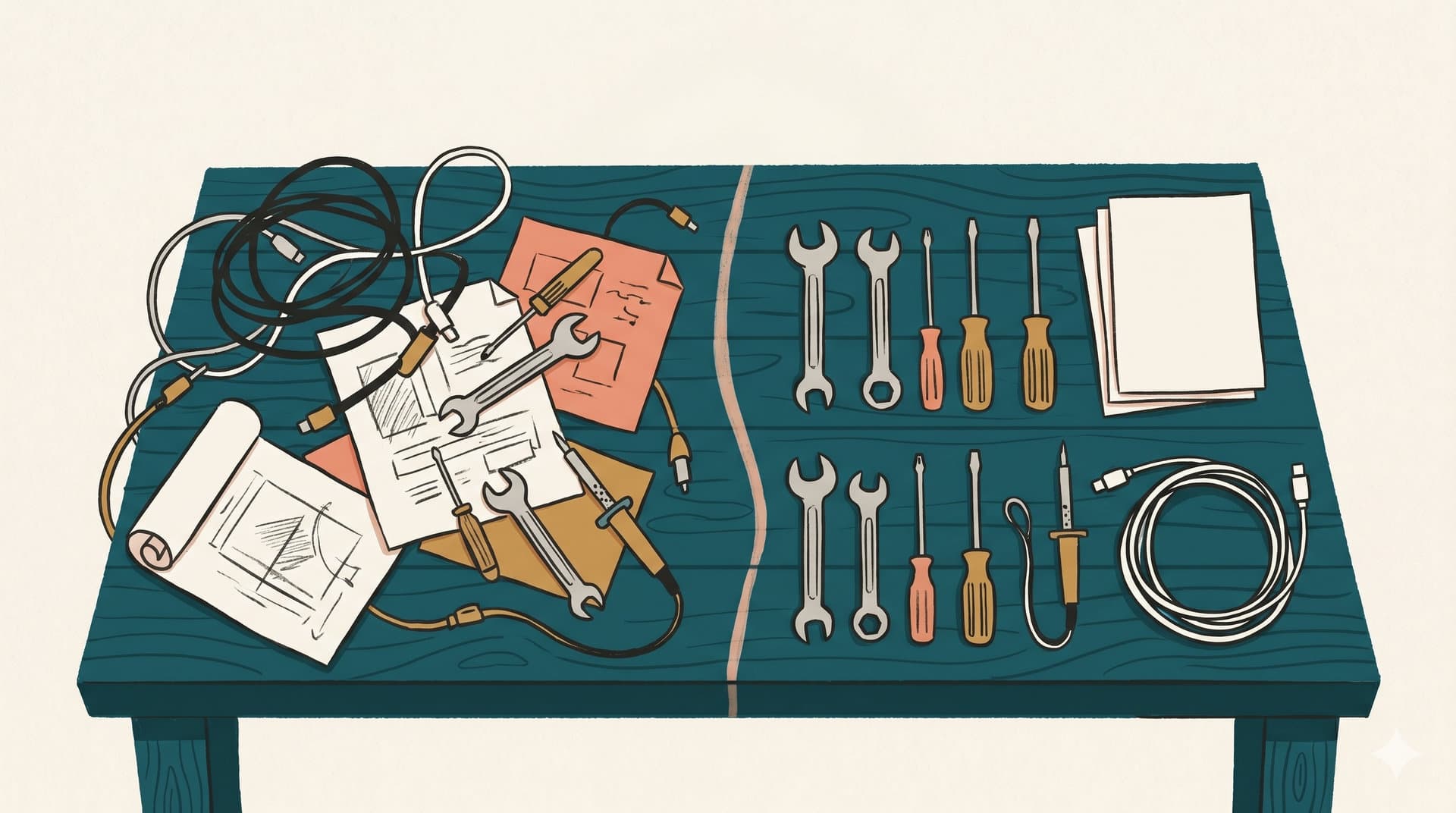
Not stuck because the idea was bad. Not stuck because they lacked drive or access to tools. Stuck because they were moving without a foundation. And in a world where AI can generate a prototype, a pitch deck, and a go-to-market plan in an afternoon, it’s easier than ever to move very fast in a direction that was never quite right.
I know this pattern well. I’ve lived it myself.
The Before
A few years ago I was moving the way a lot of founders move. Fast, tool-first, confident that momentum was the same thing as progress.
I had access to good technology. I understood product. I knew how to ship. So when an idea came together I’d get moving quickly, using whatever was available to generate output and build toward a vision that felt clear in my head.
The problem wasn’t effort or capability. It was sequencing.
I saw it most clearly in my own work. With micro-app builds, what started as a focused utility would slowly become something harder to define and harder to build. The spec kept shifting. The scope kept growing. I had a folder full of AI-generated output and no clear product. With replatforming projects, the instinct was always to just rebuild it better, but without stopping to define what better actually meant, I was just recreating the same problems in a newer stack.
Different project types. Same diagnosis. The foundation wasn’t there before the building started.
The founders I work with through G37 Labs show up with the same pattern. A healthcare founder with a sprawling platform vision and a team that couldn’t agree on scope. A brand directory that had been through two failed rebuilds before we connected. A micro-app that had been “almost done” for months. All of them moving. None of them getting there.
The Turning Point
The shift wasn’t about slowing down. It was about doing the right work first.
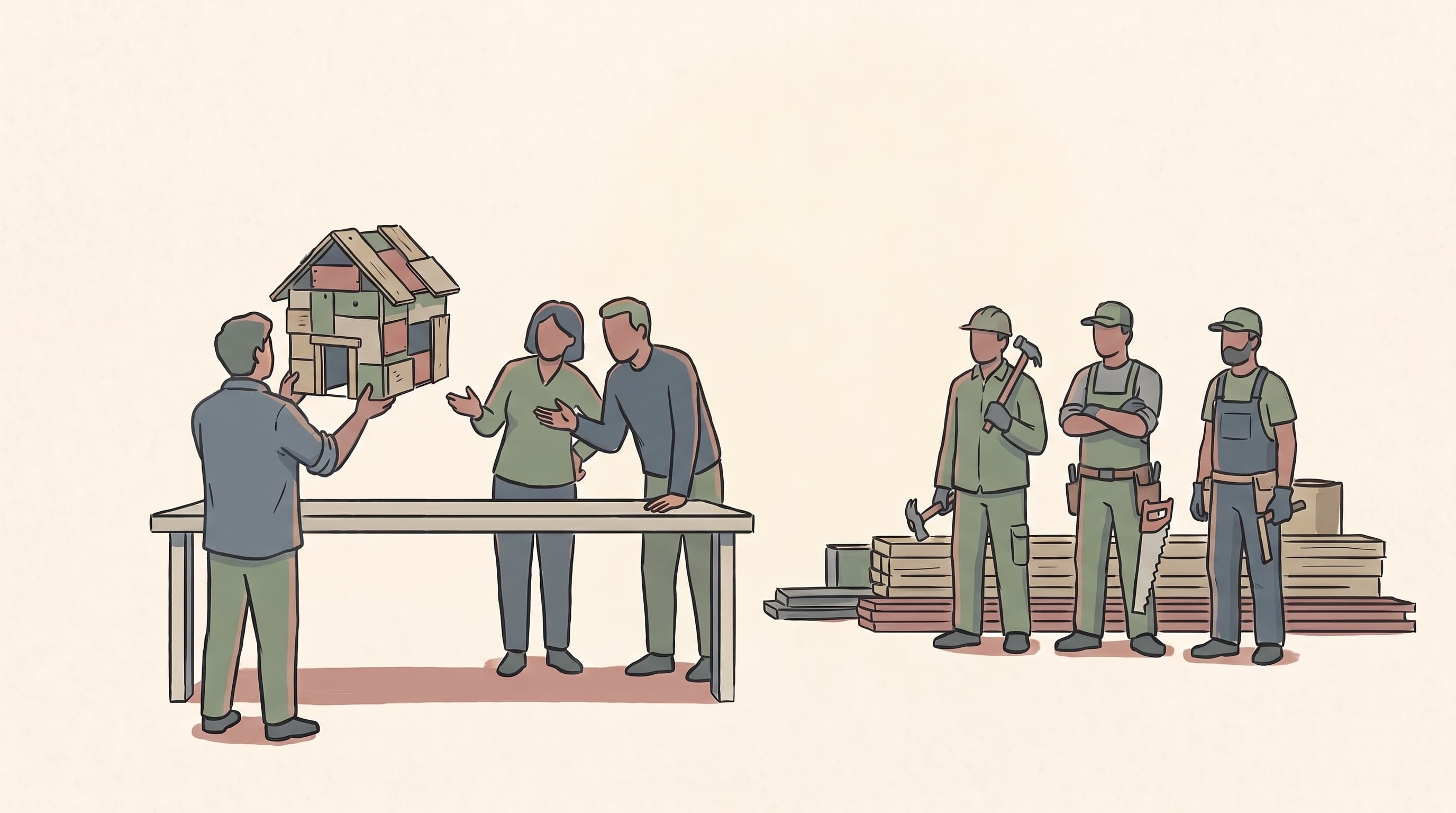
Before any tool gets opened, before any AI gets prompted, before any wireframe gets sketched, the most valuable thing you can do is get ruthlessly clear on three things: what problem you’re actually solving, who you’re solving it for, and what done looks like for a version one worth shipping.
That sounds obvious. It rarely gets done.
With the micro-app work, the turning point came in the first real discovery conversation. Not a brainstorm. Not a features discussion. A structured conversation designed to surface the actual problem before anyone touched a tool. Who is this for, precisely? What are they doing today without this app? What does done look like, not eventually, but for a version one that’s worth shipping?
Those questions sound simple. Working through them out loud surfaced assumptions that had been quietly driving the scope in the wrong direction. Within an hour the product was sharper than it had been after weeks of iteration.
That same moment shows up in every engagement. It’s not dramatic. It’s just the first time the real work gets done in the right order.
The After
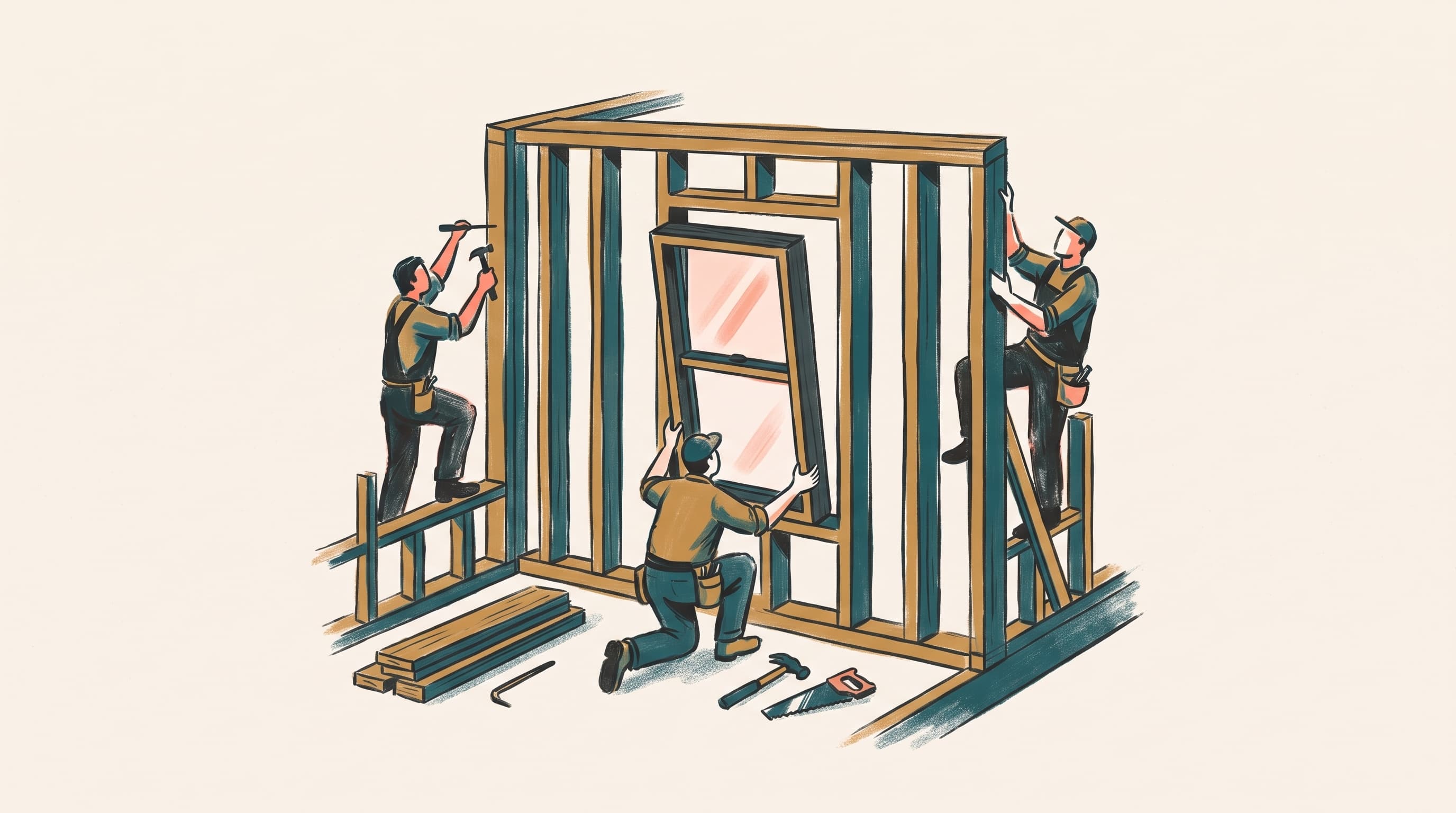
Once the foundation was solid, AI did exactly what it’s supposed to do.
With SoleTrackr, my shoe mileage tracking app, clarity about what a runner actually needed made every subsequent decision faster. The scope didn’t creep because done was defined before the first line of code was written. AI accelerated the PRD, sharpened the wireframes, and helped validate the core logic quickly, but it was working from something real.
The healthcare founder left discovery with a signed MVP roadmap and a team that finally had shared language around what they were building. The complexity didn’t disappear. It was organized, sequenced, manageable.
The brand directory replatform stopped being a rebuild and became a product decision. Discovery surfaced what the platform actually needed to become, and that changed the entire technical approach, saving months of work that would have gone in the wrong direction.
In every case, AI was present throughout. It just wasn’t first.
What Was Actually Different
The founders in these stories aren’t exceptional cases. They’re representative ones.
Good ideas. Real motivation. Access to the same AI tools everyone else has. What changed wasn’t the technology. It was the decision to slow down long enough to get clear before speeding up. To do the discovery work that most people skip because it feels like delay, even though it’s the only thing that makes the speed mean something.
The before state in each of these stories wasn’t a failure of ambition. It was a sequencing problem. Great tools, applied too early, to a foundation that wasn’t ready yet.
Fix the sequence and everything else gets easier.
Structure is the strategy. AI is the accelerant. In that order, not the other way around.
If you saw your project somewhere in this story, that’s not an accident. That’s exactly what Genesis 37 Labs is built for. Find me at g37labs.com or reply directly to this post.